Bringing a Pet to North Cyprus: A Step-by-Step Guide
Moving to North Cyprus with a cat or dog? The documents usually asked for, why to start months ahead, and what to expect when flying into Ercan via Turkey.
Published: 4 min read
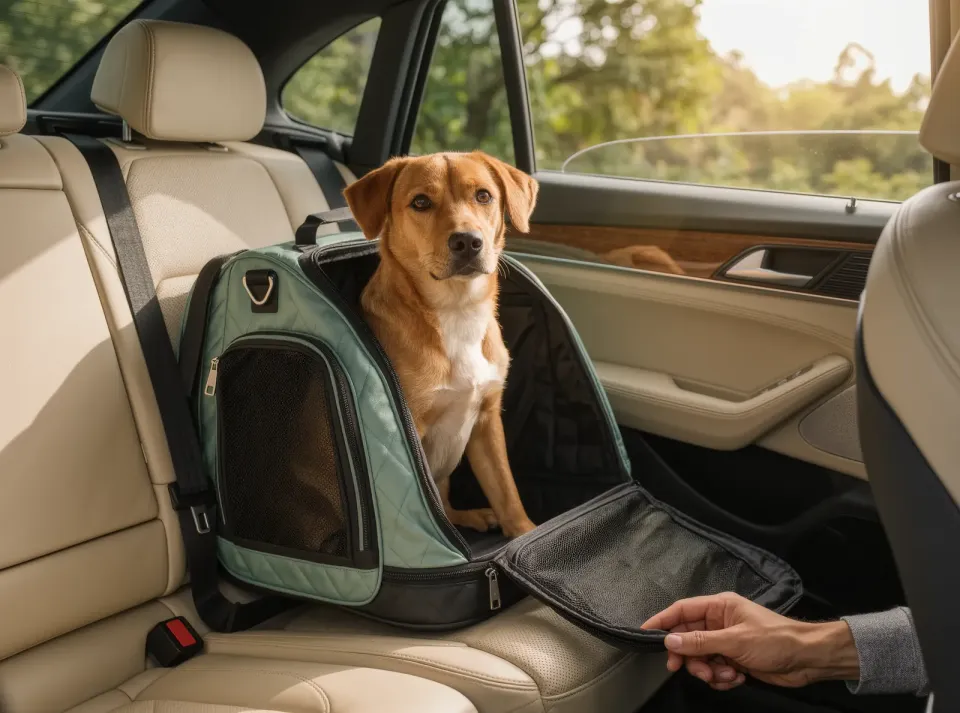
You've decided to move to North Cyprus. The viewings are booked, the boxes are filling up, and the most important item on the list is also the quietest one: your cat or dog. Bringing a pet to North Cyprus is entirely possible, and plenty of families do it every year without drama. But the process doesn't start when you book your flights. It starts with paperwork, tests and waiting periods, often months in advance. Here is a calm, step-by-step look at what's usually involved, what to expect when flying into Ercan, and what to sort out once you've arrived.
First, check the current rules
The most important piece of advice comes first: information about bringing pets into North Cyprus varies from source to source, and the rules can change. What you read on a forum or hear from a neighbour may be several years out of date. Before you book anything, contact the KKTC Veterinary Department (Veteriner Dairesi) directly and ask them to confirm the current requirements, ideally in writing. The list below is a starting point, not a substitute for official guidance.
It helps to go into that conversation with a few questions: Which documents must be originals? Which laboratories are accepted for the titre test? How long does the permit application take? What checks happen at the airport on arrival?
The documents and steps most often required
These are the requirements mentioned most often across different sources:
- Microchip: an ISO-standard microchip that can be read on arrival.
- Rabies vaccination: given after the microchip was fitted, and still valid when you travel.
- Rabies titre (antibody) test: a blood test from an approved laboratory showing that the vaccine has worked.
- Health certificate: an official certificate issued by a vet shortly before you travel.
- Import permit: permission to bring the animal in, issued by the KKTC Veterinary Department.
Why the order matters
In many countries a rabies vaccination only counts if the microchip was fitted first. The blood sample for the titre test is usually taken a set time after vaccination, and laboratory results can take several weeks to come back. Skipping a step, or doing things in the wrong order, can mean starting the whole timetable again.
Keep copies of everything
Carry the originals of the vaccination record or pet passport, the test result and the permit in your hand luggage, and keep copies on your phone and in a separate folder. Nobody wants to be hunting for a document at a transfer desk.
Timing and flying into Ercan
Why start months ahead?
Once you add up the vet appointments, laboratory turnaround, the permit application and any waiting periods, the preparation can easily stretch over several months. If you know your moving date, book a first appointment with your vet as early as you can and put every deadline in a calendar. That way the final weeks are spent saying goodbyes rather than chasing paperwork.
Remember the connection in Turkey
Flights to Ercan Airport route via Turkey, so your pet's journey will include a connection. Ask your airline about its pet policy (cabin or hold, crate dimensions, how many animals it accepts per flight) and about any requirements at the transfer airport. Space for pets can be limited, so it's safest to reserve it at the same time as your own ticket.
Practical tips for travel day
- Get your pet used to the travel crate weeks beforehand, with a blanket that smells of home inside.
- Ask your vet for advice on food and water before the journey.
- Cyprus summers are very hot; where you can, choose flights at cooler times of day.
- Label the crate with your name, phone number and your pet's name.
- Allow for a document check at the airport and keep the paperwork within easy reach.
- Once you arrive, give your pet a quiet room, their usual food and a few calm days to adjust.
After you've settled: registration and routine care
In North Cyprus, dogs must be microchipped and registered with the local municipality (belediye). Don't leave this for later, and keep your details up to date if you move house. For cats and dogs alike, the first few weeks are a good time to meet a local vet, keep the vaccination schedule on track and agree a parasite-prevention plan suited to the Cypriot climate.
In a warm climate, ticks and mosquitoes can be active for much more of the year than you may be used to, so it's worth planning protection with your vet from the very start.
How PurrNest can help
Moving weeks are rarely tidy: house-hunting, waiting for your shipment, short-term lets. Knowing your pet is somewhere calm makes it easier for everyone. With our Ercan Airport pet transfer we can meet your cat or dog at the airport and bring them to our cage-free pet hotel in Dikmen, just outside Kyrenia (Girne), where every guest has a private room of their own. Our in-house vet checks every new arrival, and while you look for a home you'll receive photos and videos every day. When you're ready, we'll bring your pet to your new front door. If you have questions about the paperwork, drop us a line; we're happy to help you work through the current requirements with the KKTC Veterinary Department.