Keeping Cats and Dogs Safe in a Cyprus Summer
Summer in North Cyprus is long and hot. From spotting heatstroke to safe walking times, balcony safety and flea season, here is how to keep your pet comfortable.
Published: 4 min read
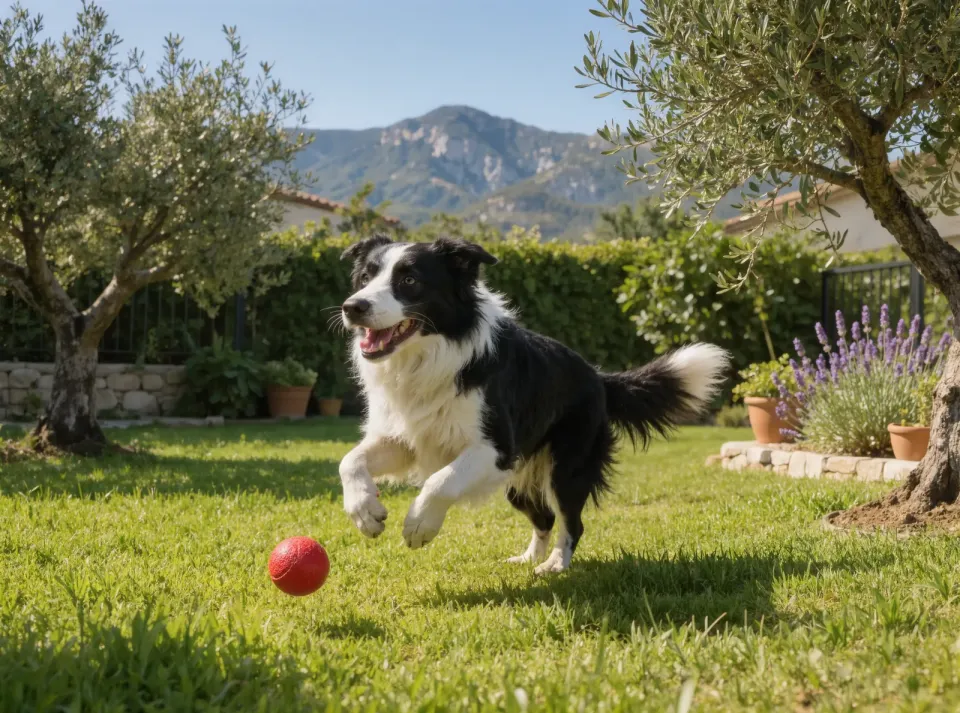
Summer in North Cyprus arrives early and lingers well into autumn. For us that means sea swims and long, warm evenings; for cats and dogs it is a season that calls for a little extra care. They can't sweat to cool down, they can't tell us they're overheating, and by the time they slow down of their own accord things may already be serious. The good news is that a few simple habits make the hot months safe and comfortable for them too.
Know the signs of heatstroke
Heatstroke is the most serious summer danger for pets, and it can develop within minutes. Dogs cool themselves mainly by panting, and cats have even fewer ways of shedding heat, so their body temperature can climb very quickly.
Warning signs
- Heavy, rapid panting that doesn't settle; open-mouth breathing in cats
- Excessive drooling, very red or pale gums
- Weakness, wobbling or collapse
- Vomiting or diarrhoea
- Confusion, or not responding when you call
What to do straight away
Move your pet into the shade or a cool room at once. Pour cool – not ice-cold – water over their body or use wet towels; icy water makes blood vessels constrict and can actually slow cooling down. Offer small amounts of water if they want to drink, but don't force it. Then go to a vet immediately. Even if your pet seems to recover, heatstroke can damage internal organs, so a proper examination is essential.
Adapt the daily routine to the heat
Walk times and hot ground
In summer the best times for dog walks are early in the morning and after sunset. At midday, tarmac, pavements and sand get far hotter than the air and can burn paw pads.
Try the simple hand test: rest the back of your hand on the ground for seven seconds. If it's too hot for you to keep it there, it's too hot for paws. Choose grassy or shaded routes where you can, keep walks short and always carry water.
Water, shade and a cool corner
Fresh, clean water should always be within reach, indoors and out. In the heat water warms up and gets dirty quickly, so refresh bowls several times a day and put more than one bowl around the house. If your dog spends time in the garden, remember that shade moves: the corner that is shady in the morning may be in full sun by mid-afternoon.
Cats tend to drink very little, which matters even more in the heat. A pet water fountain can tempt cats that prefer running water, and wet food adds to their daily fluid intake. Make sure your cat can always reach a cool tiled floor or a shady corner – they are experts at finding the coolest spot in the house.
Summer power cuts can catch you out, too. If you'll be out for a while, don't rely on the air conditioning or a fan alone – leave your pet in the coolest room, with the curtains drawn and plenty of water.
Never leave a pet in the car – not even for a minute
Under the Cyprus sun a parked car heats up to dangerous levels very quickly, even with the windows slightly open. "I'm only popping into the shop" is never a safe plan. If you can't take your pet in with you, they are always better off at home in a cool room.
Pets at higher risk
Some animals struggle with the heat far more than others:
- Flat-faced (brachycephalic) breeds such as Pugs, French and English Bulldogs, Persians and British Shorthairs, which find it harder to cool down by breathing.
- Senior pets and those with heart or breathing problems.
- Overweight pets and thick-coated breeds.
- Puppies and kittens, whose ability to regulate their temperature is still developing.
For these pets, keep exercise to a minimum, keep them indoors during the hottest part of the day and ask your vet about coat care. Shaving a coat right down isn't always the answer – fur also protects the skin from the sun.
Easily overlooked risks
Cats, open windows and balconies
Opening the windows in the heat is only natural, but in the high-rise flats around Kyrenia (Girne) it also means a real risk of falls. A cat chasing a bird or an insect can easily lose its balance. Fitting sturdy cat netting to windows and balconies is one of the most effective things you can do for your cat this summer.
Flea and tick season
The warm months are when fleas and ticks are at their most active. After every walk, check behind your dog's ears, under the legs and between the toes, and do the same for cats that go outdoors. Agree a parasite-prevention schedule with your vet and stick to it.
How we handle summer at PurrNest
At our cat and dog hotel in Dikmen, just outside Kyrenia, the summer routine is built around the heat. Play and walks move to the cooler hours of the day, every guest has fresh water in their own room all day long, and our team keeps a caring eye on every guest around the clock. Our in-house vet pays particularly close attention to pets in the higher-risk groups, and the daily photos and videos we send mean you can see for yourself how your pet is enjoying the summer.
If you have any questions before you head off on holiday, just drop us a message and we'll talk through what your pet needs.