Dog-Friendly Walks and Beaches around Kyrenia
From shaded pine-forest paths to quiet early-morning shorelines: practical tips for safe, happy walks with your dog around Kyrenia (Girne).
Published: 4 min read
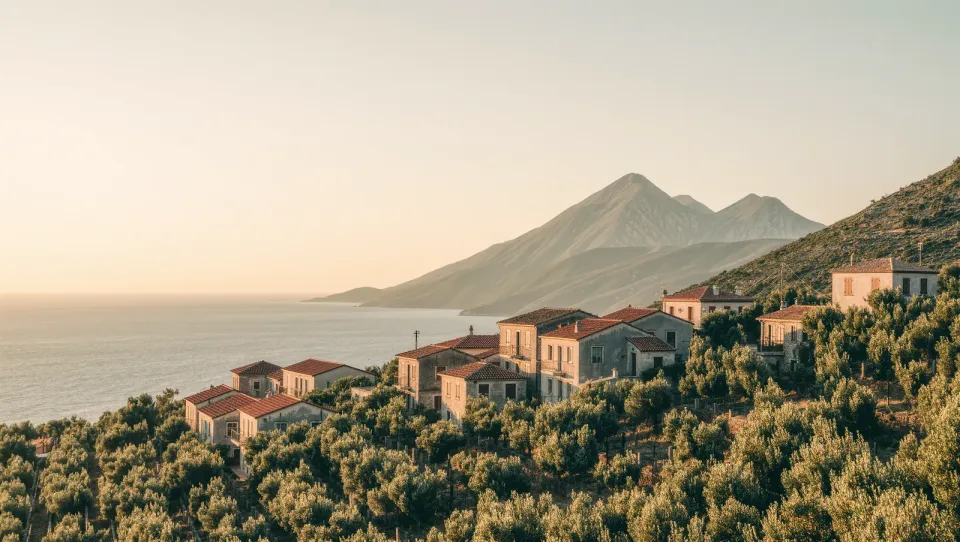
Kyrenia (Girne) is a lucky place to live if you love walking your dog. On one side you have the pine-scented slopes of the Beşparmak mountains; on the other, coastal paths that are blissfully quiet first thing in the morning. But a good walk is about more than the view. The heat, the terrain, local rules and the other animals you meet along the way all belong in the plan. We have gathered the questions owners ask us most often — a practical refresher whether you arrived last month or have called North Cyprus home for years.
Mountain foothills and pine forests
The northern foothills of the Beşparmak (Kyrenia) range are your best bet when you are looking for shade, especially in the warmer months. Paths under the pines are cooler and kinder to paws than open, stony ground. The Kyrenia Mountain Trail runs along the range for a very long way, but nobody expects you to walk it in one go. Choose a short, shaded stretch that suits your dog's fitness, and remember that you have to walk back, too. On steep, rocky sections small breeds and older dogs tire quickly, so take it slowly and stop often.
What to pack
- Plenty of water and a collapsible bowl — don't count on finding a tap in the hills.
- A sturdy lead and harness plus an ID tag (and make sure your dog's microchip details are up to date).
- Poo bags.
- A small first-aid kit: gauze, a bandage and something to protect a cut paw.
- A charged phone; if you are walking alone, share your location with someone.
Check for ticks when you get home
Woodland and long grass are tick territory. Back home, run your hands over your dog's ears (inside and behind), neck, armpits, between the toes and around the base of the tail. If you find a tick, ask your vet how best to remove it, and keep external parasite protection up to date all year round.
Village lanes and coastal paths
Not every walk needs to be a hike. The quiet back lanes of the villages around Kyrenia and the paths along the seafront are lovely for dogs, especially early in the morning, when traffic is light, the air is cool and you will meet few people. Near main roads, though, keep the lead on: some roads in Cyprus have narrow pavements or none at all, and cars can come round a bend faster than you expect. If you walk after dark, a light-up collar or a reflective vest makes your dog easy to see.
Beaches: the rules depend on the beach and the season
Few things look happier than a dog running along the shoreline, but beach rules are not the same everywhere. Many beaches do not welcome dogs in summer, or only at certain times of day. Read the signs at the entrance and, if in doubt, ask the beach staff or local residents. Bear in mind, too, that the rules can change from one year to the next.
Take special care on turtle beaches
Some beaches, such as Alagadi to the east of Kyrenia, are protected nesting sites for sea turtles. The nests are buried in the sand and completely invisible; a few seconds of enthusiastic digging by a curious dog can damage the eggs. Keep dogs away from these beaches, and be especially strict about it during the nesting season, which runs roughly from early summer into the autumn.
If your dog swims in the sea, rinse them with fresh water when you get home — salt and sand can dry out and irritate the skin. And remember that at midday the sand gets every bit as hot as the tarmac.
The golden rules of walking in the heat
- Choose the cool hours. In summer, walk early in the morning and after sunset.
- Test the tarmac with your hand. Hold the back of your hand on the ground for a few seconds; if it is uncomfortable for you, it is too hot for paws.
- Stop for water. Your dog can't tell you they are thirsty, so offer water little and often.
- Know the warning signs. Heavy panting, drooling, staggering and lethargy can signal heatstroke. Move your dog into the shade straight away, wet them with cool (not ice-cold) water and call your vet without delay.
Flat-faced breeds, older dogs and those with thick coats feel the heat far sooner than others. For them, summer walks should be short and gentle.
Walking etiquette
- Keep your dog on a lead in busy areas, in villages and along roads.
- Always pick up after your dog — the paths belong to all of us.
- Shorten the lead when passing goats, sheep or chickens; a chase can hurt them and your dog.
- Respect the street cats: don't let your dog chase them, and leave alone any food and water bowls put out for them.
- Ask the owner before letting your dog approach another dog.
Walking during the hunting season
In autumn and winter, hunting takes place in the countryside on certain days. If you are heading into open land on those days, wear bright colours and make your dog easy to spot as well — a reflective vest or a vivid collar works well. Check local announcements for hunting days and areas, and keep your dog on the lead. Gunshots can frighten nervous dogs, so on hunting days a walk through the village or along the seafront may be the more relaxed option.
Keeping the walks going while you are away
When you go on holiday or travel for work, you don't want your dog's routine to fall apart — and that is exactly how we approach dog boarding in Kyrenia. At PurrNest in Dikmen, our canine guests stay in their own private rooms, in a wing completely separate from the cats, and their daily walks and play sessions are timed around the coolest part of the day. For more energetic dogs you can add extra play and walk sessions, and follow along through the photos and videos we send every day, with regular check-ups by our in-house vet as well. Your dog comes home rested, happy and ready for the next hike in the hills.